Exploring the hidden psychology behind gambling behavior in casinos
The Allure of Risk and Reward
The psychology behind gambling often revolves around the innate human attraction to risk and reward. This duality is captivating, as individuals are drawn to the potential for significant gains, even when the odds are stacked against them. The thrill associated with placing a bet can trigger a rush of adrenaline, akin to the excitement found in high-stakes adventure sports. To safely enjoy this experience, users can quickly and easily staycasino login and dive into their gaming journey, knowing they are in a secure environment. This rush can create a powerful psychological feedback loop, leading players to seek out further gambling experiences to replicate that initial feeling.
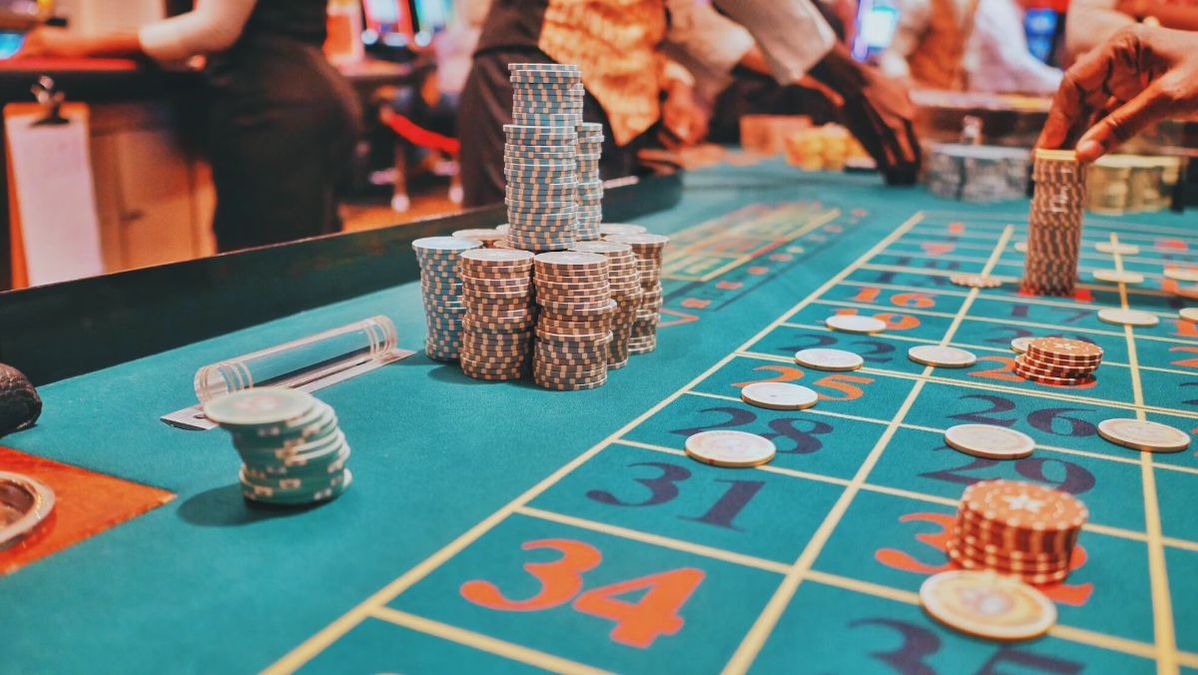
Moreover, the concept of “near misses” plays a significant role in this attraction. When a player almost wins—like hitting two out of three symbols on a slot machine—they may experience feelings of hope and anticipation. This sensation can reinforce the gambling behavior, making individuals believe that a win is just around the corner. Such psychological triggers are cleverly exploited by casinos, which design their games to maximize this illusion of control and near victories, encouraging players to keep betting.
Additionally, the environment within casinos contributes to this allure. Bright lights, engaging sounds, and the presence of other enthusiastic players create a stimulating atmosphere that enhances the excitement of gambling. This ambiance can lead to heightened emotional responses, making it difficult for individuals to resist the temptation of placing another bet. Thus, the combination of the thrill of risk, the allure of potential rewards, and the captivating environment work together to foster a compelling gambling experience.
The Role of Cognitive Biases
Cognitive biases are essential factors that influence gambling behavior. One prevalent bias is the “gambler’s fallacy,” which is the belief that past outcomes affect future probabilities. For example, a player may think that if a particular number hasn’t appeared recently, it’s due to come up soon. This misconception can lead individuals to place bets based on flawed reasoning, potentially resulting in significant financial losses as they chase perceived patterns in random events.
Another cognitive bias is the “illusion of control,” where individuals believe they can influence the outcome of random events through skill or strategy. This feeling often encourages players to make riskier bets, as they feel empowered by their supposed abilities. Casinos are aware of this bias and often incorporate elements that enhance the feeling of control, such as skill-based games or interactive features, which further entrench players in their behavior.
Moreover, the “availability heuristic” can affect decision-making in gambling. Players might overestimate the frequency of wins they hear about or witness in others, leading them to believe that winning is more common than it is. This misjudgment fosters an optimistic mindset about their chances of winning, which can entice them to gamble more. Understanding these cognitive biases is crucial, as they not only shape individual behavior but also provide insights into the strategies casinos employ to attract and retain gamblers.
The Impact of Emotion on Gambling Choices
Emotional states play a pivotal role in gambling behavior. Feelings such as excitement, joy, and even despair can significantly influence a person’s decision to gamble. For instance, someone celebrating a personal success might be more inclined to visit a casino and indulge in higher-risk bets, viewing it as a reward. Conversely, individuals experiencing stress or negative emotions may seek solace in gambling as a temporary escape, leading to compulsive betting behaviors.
Additionally, the feeling of being “on tilt,” or emotionally compromised during play, can lead to irrational betting decisions. When emotions take over, players may chase losses aggressively, thinking that a big win can make everything right. This cycle can lead to greater financial loss and emotional distress, as the initial motive to have fun or escape stress morphs into a compulsive drive to recoup losses. The emotional rollercoaster associated with gambling can thus turn casual play into a problematic cycle.
The social aspect of gambling also cannot be overlooked. Many players are motivated by the camaraderie and shared experiences found in casino environments. This social interaction can enhance the enjoyment of gambling, but it can also lead to peer pressure and higher stakes being placed. Understanding how emotions, both positive and negative, influence gambling decisions is crucial for anyone interested in the psychology behind this behavior, as it sheds light on why people often return to the gaming floor despite potential risks.
The Influence of Environment on Gambling Behavior
The physical environment of a casino plays a crucial role in shaping gambling behavior. From the design of the gaming floor to the layout of the machines and tables, every element is meticulously crafted to maximize player engagement. For instance, the use of bright colors, enticing sounds, and a lack of clocks and windows creates an atmosphere that encourages players to lose track of time and immerse themselves in the gaming experience.
Furthermore, the strategic placement of high-stakes games near more casual offerings can draw in players who initially came for lighter entertainment. The excitement generated by those higher-stakes games can entice others to join in, often leading them to wager more than they initially planned. This calculated manipulation of the environment highlights how casinos are designed not just to entertain but to keep players engaged and betting for extended periods.
Social factors within the casino environment also enhance gambling behavior. The presence of fellow gamblers can evoke a sense of community and shared experience, encouraging individuals to participate more actively. This social engagement can foster an environment where casual betting turns into prolonged sessions, as people often feel compelled to stay involved due to the social dynamics at play. Understanding how the casino environment influences behavior provides insight into why gambling is so captivating and persistent.
Stay Casino: A Gateway to Online Gambling Exploration
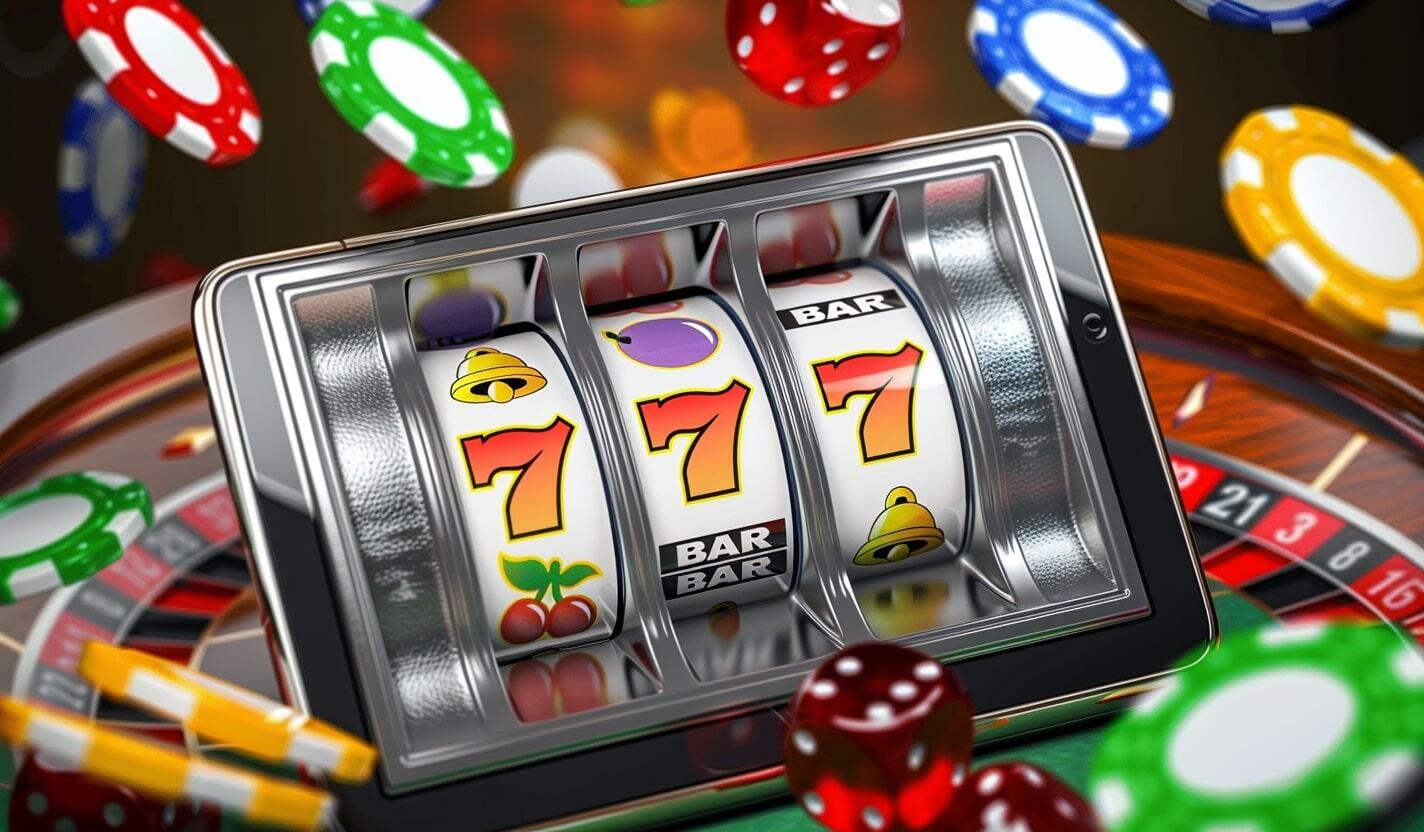
Stay Casino offers a modern, user-friendly platform for those curious about the world of online gambling. With access to over 9,000 games, including a diverse array of slots, table games, and live casino experiences, players can explore their preferences in a secure environment. This extensive selection allows individuals to find games that not only entertain but also align with their unique gaming styles.
Additionally, Stay Casino prioritizes user experience with a variety of banking options and a dedicated mobile app for easy access. This commitment to convenience enhances the overall enjoyment of online gaming and allows users to engage with their favorite games anytime, anywhere. Moreover, professional support is available around the clock, ensuring that players have assistance whenever they need it.
By joining Stay Casino, players can embark on an exciting journey into the world of online gaming, backed by a platform designed to cater to their needs and preferences. Whether one is seeking thrilling game options or a supportive environment, Stay Casino provides a comprehensive online gambling experience that stands out in the digital landscape.